About Our AI Fundamentals Program
Teaching practical artificial intelligence applications through hands-on learning and current platform coverage
We created this program after recognizing that most AI courses either oversimplify capabilities or dive too deep into technical architecture. Our approach occupies the middle ground, teaching professionals to use AI tools effectively without requiring computer science backgrounds. The curriculum focuses on practical applications, honest capability assessments, and explicit comparisons with traditional methods.
Results may vary based on individual learning pace, existing technical familiarity, and specific use case applications in your professional context.
Our Mission
Making AI knowledge accessible through practical instruction and honest capability assessment
Practical Focus Over Theoretical Depth
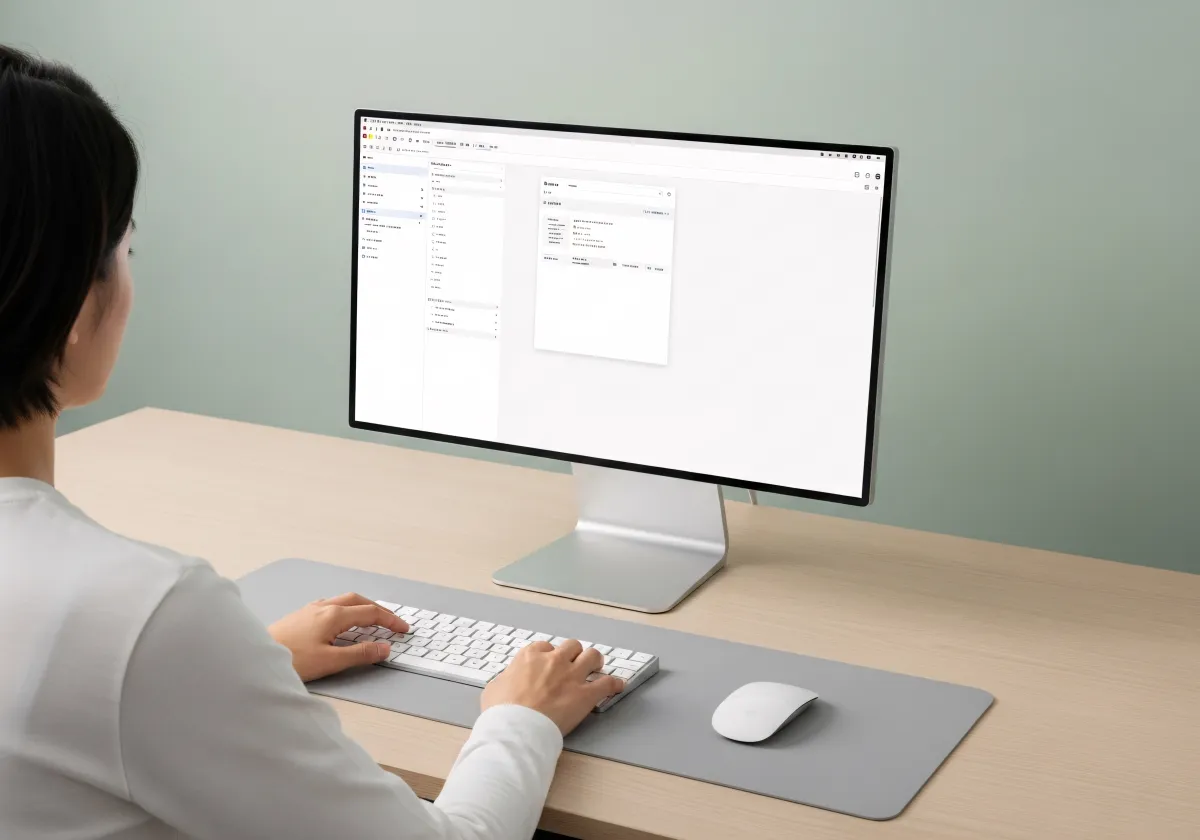
Most artificial intelligence content either assumes extensive programming knowledge or explains concepts so simply they lack practical utility. We teach tool operation rather than algorithm mechanics because most professionals need to use AI effectively, not build it from scratch. This approach serves people adding AI to existing roles rather than becoming machine learning engineers. Modules demonstrate specific platforms, compare outcomes with manual methods, and assign real-world projects mirroring actual business scenarios. Students learn which tasks benefit from AI assistance versus situations where traditional approaches still deliver better results through hands-on experience rather than abstract theory. The curriculum updates quarterly to reflect current platform capabilities as technology evolves rapidly and yesterday's content quickly becomes outdated. Results may vary based on your specific applications and learning investment.
Honest Capability and Limitation Discussion
Many AI courses oversell capabilities without acknowledging where technology falls short compared to human specialists. We explicitly discuss limitations because understanding boundaries helps you make better tool-selection decisions. AI struggles with nuanced judgment, brand-specific tone matching, contexts requiring deep expertise, and situations demanding accountability. Human professionals remain essential for strategic decisions, sensitive communications, highly technical work, and creative projects needing consistent brand voice. The course compares completion time, quality levels, and cost factors across different scenarios so you evaluate trade-offs rather than assuming AI always provides advantages. This honest assessment strengthens rather than weakens the case for AI adoption because students develop realistic expectations. They implement tools in appropriate contexts instead of applying automation everywhere and facing disappointing results when technology underperforms promises made during oversimplified marketing.

Current Platform and Regular Content Updates
Artificial intelligence platforms evolve rapidly with new features releasing monthly and capabilities improving continuously. Courses teaching outdated tool versions provide limited practical value because students learn interfaces, features, and workflows that no longer match current reality. We update materials quarterly to reflect platforms as they exist in 2026 rather than how they operated in previous years. This commitment to currency means students work with tools they'll actually encounter in professional environments post-course. Videos demonstrate current interfaces, assignments use recently released features, and comparisons reflect today's performance rather than historical benchmarks. While core concepts remain stable across versions, specific techniques and best practices change as platforms add functionality. The investment in regular updates ensures course value persists beyond short-term relevance that characterizes AI content created once and never revised despite rapid technological change occurring continuously.
Core Values
Our Mission
We make practical AI knowledge accessible to professionals without technical backgrounds. Rather than teaching how algorithms work internally, we demonstrate what they accomplish externally so students can evaluate, select, and use appropriate tools confidently.
Our Vision
We envision professionals across industries understanding when AI adds value versus when traditional methods still win. This informed decision-making prevents both over-reliance on automation and missed opportunities where technology provides genuine advantages.
Practical Application
Every module focuses on real-world usage rather than theoretical understanding. Students complete projects mirroring actual business scenarios so skills transfer directly to professional contexts without additional translation from abstract concepts to concrete tasks.
Honest Assessment
We discuss AI limitations as thoroughly as capabilities. Understanding where technology falls short compared to human specialists helps students make better tool-selection decisions rather than applying automation inappropriately and facing disappointing results.
Current Content
Quarterly updates ensure materials reflect platforms as they exist today rather than outdated versions. This commitment to currency means students learn tools they'll actually encounter professionally rather than investing time in obsolete interfaces and discontinued features.
Student Success
Instructor feedback helps refine skills through constructive critique of assignment submissions. We respond within three business days with specific suggestions for improving prompt techniques, output evaluation, and tool selection based on project requirements and quality standards.
Comparison Focus
Explicit analysis of AI versus manual methods helps students understand trade-offs. We compare completion time, quality levels, and cost factors across scenarios rather than assuming automation always provides advantages regardless of context or specific requirements.
Accessible Learning
Course content assumes basic computer literacy without requiring programming experience or technical training. This accessibility serves professionals adding AI to existing roles rather than career changers pursuing machine learning engineering or data science specializations.
Instructor Team
Professionals using AI tools daily in business, creative, and technical roles
Our instructors teach from practical experience rather than academic theory. They use AI platforms professionally for client deliverables and workplace projects, bringing real-world application knowledge to curriculum development and student feedback.
Each team member specializes in different AI application areas, providing comprehensive coverage across business automation, creative work, data analysis, and technical implementations in the curriculum.

David Chen
Business Automation Specialist
David implements AI workflow automation for small and medium businesses. He teaches modules covering data processing, report generation, and administrative task automation using current platforms.
Ten years in operations management before specializing in AI automation. Works with clients across healthcare, retail, and professional services implementing practical efficiency improvements.
"AI works best on repetitive tasks with clear quality metrics."

Sarah Martinez
Creative AI Applications Lead
Sarah uses AI for content creation, graphic design, and creative project assistance. She teaches modules on text generation, image creation, and evaluating creative output quality.
Background in marketing and content strategy before adopting AI tools. Runs a digital agency using automation for client deliverables while maintaining creative quality standards.
"AI provides starting points that humans refine into final deliverables."

Michael O'Brien
Technical Implementation Instructor
Michael teaches code assistance, technical automation, and integration projects. He helps students without programming backgrounds complete basic technical tasks using AI platforms effectively.
Software developer who transitioned to teaching professionals how to use AI coding tools. Focuses on practical applications rather than computer science theory for non-technical audiences.
"You don't need to understand algorithms to use AI tools effectively."
This diverse expertise ensures students learn multiple AI use cases from instructors who actually rely on these tools professionally.
Program Development
Evolution of our AI curriculum
Initial Curriculum Development
Created first IT fundamentals course covering basic computer literacy, internet usage, and productivity software for non-technical professionals.
AI Module Addition
Recognized growing importance of artificial intelligence and added introductory module covering basic AI concepts and early platform experiments.
Specialized AI Track
Expanded AI content into dedicated course covering practical applications across business automation, creative work, data analysis, and personal productivity.
Current Version Launch
Released updated curriculum reflecting current platform capabilities, expanded instructor team, and refined teaching approach based on student feedback and outcomes.